








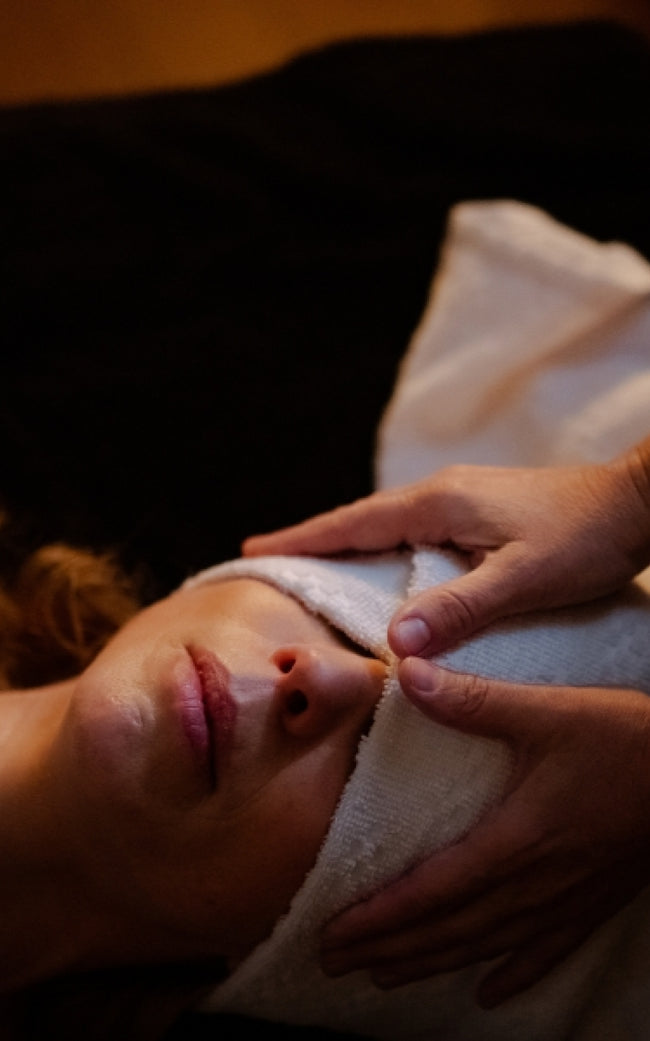


Sometimes our hearts go through periods where everything seems to become more sensitive: emotions are more present, thoughts weigh a little heavier, and we feel a deep need for inner comfort.
These moments are not exceptional; they reflect a natural need for re-centering and self-listening.
For many people, aromatherapy then becomes a valuable support for nurturing emotional well-being, easing tension, and finding a sense of inner stability.
In this article, I invite you to discover how essential oils can become true allies in supporting the heart during times when it needs to be supported, illuminated, and re-harmonized.
When the heart calls for more inner light
There are times when we feel more keenly what is happening within us: a slight lack of enthusiasm, a diffuse emotional fatigue, or simply a deep desire to find inner peace. These moments of vulnerability often reflect a need to re-center one's energy and take care of one's emotional balance.
In these moments, the heart doesn't necessarily need rest; above all, it needs clarity, stability, and a form of intimate warmth that helps us move forward with greater serenity. This is where emotional aromatherapy comes into its own.
Thanks to the direct impact of scents on the limbic system (the area of the brain involved in emotions and affective memory), certain essential oils create a safe space that soothes, comforts, and re-harmonizes.
The simple act of breathing in a well-chosen oil can offer a moment of self-presence, immediate relief, or a feeling of inner light.
Olfaction acts quickly and can support anyone who wishes to:
- reduce emotional burden,
- regain a sense of balance,
- soothe stress or agitation,
- embrace their emotions with greater gentleness.
Essential oils do not seek to transform our feelings, but to support the space that welcomes them: the heart.
A more sensitive and receptive inner space
At certain times, our sensitivity increases: we perceive tensions more, emotions surface more easily, and the body sends subtle signals indicating that rebalancing would be welcome. This heightened sensitivity is not a sign of fragility; it reflects a natural stage of emotional regulation.
It is during these phases that practices promoting relaxation, such as the olfaction of essential oils, become particularly relevant in supporting the need for inner support.
The heart as an indicator of our emotional needs
The heart, in a symbolic and emotional sense, acts as an internal barometer. When mental load increases or days become more demanding, it can express a need for comfort and clarity. Welcoming this need helps prevent emotional exhaustion and restore a sense of stability.
Essential oils then play an interesting role: they create an olfactory space that helps us return to ourselves, release tensions, and promote lasting inner balance.
The role of olfaction in natural stress management
The sense of smell is directly connected to the limbic system, the area of the brain involved in emotions, memory, and certain instinctive reactions. This connection explains why odors have an immediate impact on our feelings.
When an essential oil is inhaled, its aromatic molecules can promote calm, concentration, or a sense of security. This rapid action makes it an accessible tool for anyone to manage stress, fluctuating emotions, or a feeling of mental dispersion.
Four essential oils that enlighten the heart
Geranium rosat: the oil of comfort and harmony
Geranium rosat is an oil known for its rebalancing and enveloping effect. Its floral and sweet fragrance brings a sense of emotional security, soothes tensions, and harmonizes emotions when they become more fluctuating. It is ideal for periods of emotional overload or increased sensitivity.
This oil contains molecules known for their gentleness and stabilizing action. Monoterpenols promote emotional harmony, while esters support relaxation and stress regulation.
Practical advice:
- Place 1 drop on a tissue or in your hands, then breathe deeply for one minute. This simple gesture offers immediate calm and helps to re-center.
Specific precautions:
- Not recommended for pregnant women in the first 3 months of pregnancy
- Not recommended for children under 3 years old
- Dilute with a vegetable oil
- Do not use orally
Bergamot: the oil that opens the heart and lightens the mind
Bergamot is an essential oil highly valued for its power of emotional clarification. It brings a feeling of lightness, reduces mental load, and promotes a state of inner calm. It is readily used when one feels "overwhelmed" or tense.
This oil contains esters and monoterpenes, known for their balancing effect. This molecular duo helps reduce emotional tensions and create an atmosphere conducive to letting go.
Practical advice:
- In gentle diffusion for 5 to 10 minutes during a break or in the early evening. Its fruity fragrance helps to relax the mind and create a serene atmosphere.
Specific precautions:
- Not recommended for pregnant women in the first 3 months of pregnancy and breastfeeding women
- Not recommended for children under 6 years old
- Dilute before applying to the skin
- Do not apply to skin before sun exposure, as it is photosensitizing
Lemon: the oil that clarifies thoughts and gives momentum
Lemon essential oil brings a bright mental clarity. It helps dispel "emotional fog," promotes concentration, and supports motivation on heavier or busier days.
Very rich in limonene, Lemon oil is stimulating, refreshing, and energizing without excess. Limonene is known for its positive effect on mental clarity and its tonic action on an emotional level.
Practical advice:
- Short diffusion in the morning to start the day with dynamism: 5 minutes are enough to enjoy its clarifying effect.
Specific precautions:
- Not recommended for pregnant women in the first 3 months of pregnancy
- Not recommended for children under 1 year old
- Dilute before applying to the skin
- Do not apply to skin before sun exposure, as it is photosensitizing
Grapefruit: the oil that awakens simple joy
Grapefruit is one of the most appreciated oils for its ability to revive joy, lighten emotions, and promote a feeling of lightness. It brings a gentle vitality, ideal for regaining momentum without being excessively stimulated.
Like Lemon, Grapefruit oil is very rich in limonene, which explains its freshness, sweetness, and positive effect on mood. Limonene supports a luminous and natural emotional dynamic.
Practical advice:
- Use for short inhalations directly from the bottle in the mid-afternoon to regain a sense of lightness and emotional clarity.
Specific precautions:
- Not recommended for pregnant and breastfeeding women
- Not recommended for children under 6 years old
- Dilute before applying to the skin
- Do not apply to skin before sun exposure, as it is photosensitizing
- Do not use for an extended period
Three olfactory rituals to nourish inner light
Morning ritual: open the day with clarity and gentleness
This ritual helps to start the day with a clearer mind, a more stable heart, and a gentle yet present energy. It is particularly suitable for people who wake up feeling heavy, confused, or with emotional apprehension.
How?
Diffuse an essential oil such as Lemon or Bergamot for 5 to 8 minutes upon waking. The fresh and luminous scent promotes mental clarity, stimulates motivation, and creates a positive atmosphere.
Why?
Aromatic molecules act quickly on the limbic system, facilitating re-centering, inner drive, and movement. This ritual creates a positive anchor from the very first minutes of the day.
Afternoon ritual: "light heart" breathing to release tension
This ritual is ideal for moments when the mental load increases or when the heart seems to contract under the effect of stress or agitation. It helps to regain a sense of lightness and emotional fluidity.
How?
Place a drop of Grapefruit or Geranium rosat essential oil on a tissue, then breathe calmly for one minute. Close your eyes, inhale deeply, then relax your shoulders on the exhale.
Why?
Olfactory breathing is one of the most effective tools for rapid calming: it engages smell, breathing, and attention, three powerful levers for reducing stress. The chosen essences promote simple joy, calm, and emotional release.
Evening ritual: soothe within and promote deep re-centering
This ritual accompanies the transition between day and rest. It helps to release accumulated tensions, calm the mind, and offer the heart a safe space to fully relax.
How?
Diffuse Geranium rosat or Bergamot for 5 to 10 minutes in a quiet room. Combine the diffusion with a moment of slow breathing or introspective reflection to enhance its effects.
Why?
These essential oils provide a reassuring and comforting atmosphere, while promoting deep emotional calm. This ritual helps to end the day gently, avoiding the accumulation of tensions from one day to the next.
"Light" Diffusion Synergy
The goal of this diffusion is to create a gentle, clear, and comforting atmosphere, promoting emotional stability, calmness, and a sense of inner light.
Ingredients:
- 2 drops of Bergamot: for its clarifying and soothing effect, it opens the emotional space and relieves tension.
- 2 drops of Lemon: for mental clarity, freshness, and the gentle dynamic it brings to both heart and mind.
- 1 drop of Geranium rosat: for its harmonizing, stabilizing, and comforting action. It provides a center, gentleness, and a feeling of being enveloped.
- 1 drop of Grapefruit: to awaken simple joy and nourish a light and luminous vitality.
Instructions for use:
- Diffuse for 5 to 10 minutes, then pause.
- Use in a living room, workspace, or relaxation area.
- Repeat as needed to support periods when the heart seems to require more clarity and gentleness.
Specific precautions:
- Prefer short and spaced diffusion.
- Ventilate the room after use.
- Not recommended for prolonged diffusion in the presence of children or pregnant women.
- Do not diffuse in a closed room with sensitive animals.
General Precautions for Essential Oils
To fully benefit from these synergies, follow these tips:
- Specific diffusion precautions: Do not diffuse for more than 30 minutes per session to avoid saturating the air. Use a diffuser appropriate for the size of your room.
- Dilution: Dilute essential oils before skin application to avoid irritation.
- Tolerance test: Before any use, perform a skin tolerance test by applying a small amount of diluted essential oil in vegetable oil to the crook of the elbow and wait 24 hours to check for any allergic reaction.
- Do not use in children, pregnant, or breastfeeding women without medical advice: It is imperative to consult the essential oil information sheet and a healthcare professional before any use in these specific cases.
- Precautions for pathologies: People suffering from chronic diseases (asthma, epilepsy, hypertension, etc.) should consult their doctor before using essential oils, as some may have undesirable effects or contraindications with their treatment. The doctor is the primary healthcare provider.
- Beware of photosensitizing oils: Certain essential oils, such as citrus oils (lemon, bergamot, grapefruit), can cause burns or skin spots if exposed to the sun after application. Do not use them before direct sun exposure.
- Avoid mucous membranes and eyes: Essential oils can cause severe irritation. In case of accidental contact, rinse thoroughly with a vegetable oil, not water. Consult your doctor.
When the heart becomes more sensitive or receptive, it is essential to offer it simple and natural ways to regain a sense of balance. Essential oils then become relevant allies in supporting emotional well-being, soothing stress, and creating a more stable inner space. Geranium rosat, Bergamot, Lemon, and Grapefruit each offer a different but complementary approach to promoting clarity, gentleness, and inner harmony.
Emotional aromatherapy does not aim to mask feelings, but to guide the person towards authentic well-being. By cultivating a more attentive relationship to your emotional needs and using essential oils with respect and safety, it becomes possible to nurture a true inner light, one that illuminates the path and supports every step of daily life.
References
- Couic-Marinier, F. (2021). Aromathérapsy. Terre vivante.
- Faucon, M. (2023). Approches sensorielles en aromathérapie. Dunod.
- Fournil, G. (2012). L’olfactothérapie : Sentir pour mieux se sentir. Amarys.
Maison Jacynthe disclaims all responsibility. All information contained on this page is not intended to replace justified allopathic treatment, nor to disregard the expertise of the medical profession. It is up to each individual to take charge of their health, to inform themselves, and to make the necessary changes to improve their condition. Therapeutic supervision by a qualified health professional is, of course, suggested.
















Leave a comment