












Some traditional beverages are gaining renewed attention in scientific research. They are not miracle cures, but they contain bioactive compounds capable of influencing multiple physiological functions. According to Pierre Haddad, certain drinks can support concentration, glucose metabolism, and digestive balance. Matcha and kombucha are two notable examples.
Matcha: Stable Energy and Enhanced Focus
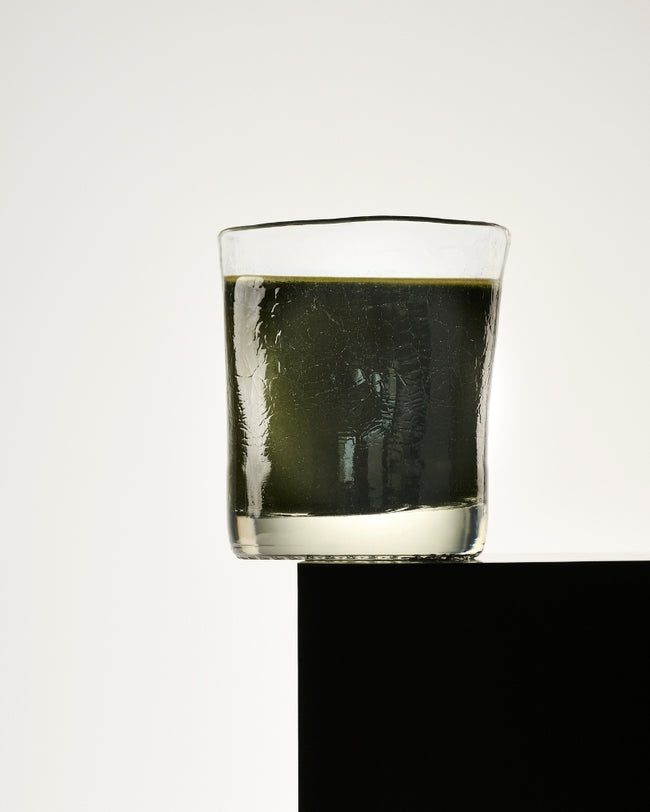
Matcha is a powdered green tea made from finely ground leaves. Unlike infused tea, it involves consuming the whole leaf, increasing the intake of active compounds.
Synergy Between Caffeine and L theanine
Pierre Haddad - Ph.D. in pharmacology, highlights the unique combination of caffeine and L theanine in matcha.
Caffeine enhances alertness, working memory, and reaction speed. However, it may also cause nervousness in some individuals.
L theanine works differently. This amino acid has a calming effect on the nervous system.
When combined, these compounds may produce several beneficial effects:
-
Improved alertness
-
Better sustained focus
-
Faster reaction time
-
Reduced jitteriness compared to coffee
This synergy explains why matcha is often associated with more stable energy.
Polyphenols and Brain Protection
Matcha is rich in catechins, a class of antioxidant polyphenols.
These compounds may help reduce oxidative stress and neuroinflammation, both of which are involved in brain aging and neurodegenerative conditions.
Kombucha: Fermentation and Gut Health
Kombucha is a fermented tea produced using a symbiotic culture of yeast and bacteria. The result is a slightly tangy and naturally carbonated beverage.
Pierre Haddad - Ph.D. in pharmacology, notes that it can serve as a healthier alternative to sugary soft drinks. However, its primary interest lies in fermentation related benefits.
Gut Microbiota and Probiotics
Some kombucha products contain live microorganisms that can act as probiotics.
One well studied bacterium is Bacillus coagulans. Research suggests it may help:
-
Reduce abdominal pain
-
Decrease intestinal cramping
-
Improve symptoms of irritable bowel syndrome
-
Support immune function
Pierre Haddad, emphasizes that probiotic effectiveness depends on diet. Adequate fiber intake is essential to nourish beneficial gut bacteria.
Matcha and kombucha illustrate how traditional beverages can support different aspects of health. Matcha primarily enhances cognitive function and alertness, while kombucha contributes to digestive balance. Their benefits are best realized within a diet rich in fiber and low in refined sugars.
About
Pierre S. Haddad holds a Ph.D. in pharmacology from the University of Montreal. For over 40 years, he has conducted scientific research in Quebec and internationally (Austria, United States). His work for more than 25 years has focused on natural health products, traditional medicine, and the mechanisms of action of medicinal plants, particularly in the context of metabolic diseases such as diabetes and obesity. He has received awards and distinctions from the academic and research communities, as well as from associations of practitioners of complementary approaches. He currently serves as interim scientific director at Maison Jacynthe.
REFERENCES
Anas Sohail A et al. Cureus. 2021;13(12):e20828. doi: 10.7759/cureus.20828
Payne ER et al. Nutrition Reviews. 2025;83(10):1873 to 1891. doi: 10.1093/nutrit/nuaf054
Liu Y et al. Nutrients. 2024;16(19):3305. doi: 10.3390/nu16193305
Li S et al. Frontiers in Nutrition. 2024;11:1425839. doi: 10.3389/fnut.2024.1425839
Mu Y, Cong Y. Beneficial Microbes. 2019;10(6):679 to 688. doi: 10.3920/BM2019.0016

















Leave a comment