












In Ayurveda, the traditional medicine of India, each person's reality is approached based on three principles inherent in nature: movement, transformation, and preservation. These principles are called the three doshas, and understanding them is essential to the Ayurvedic understanding of health.
When we want to maintain or regain balance and well-being, the doshas allow us to identify the cause-and-effect links between our state of being and our relationships with the outside world, whether it be the environment, food or our interpersonal relationships.
Kapha : preservation
Let us now explore what characterizes Kapha, the principle of preservation, what the states of being related to this dosha consist of and how we can regain balance when it is disturbed.
Nature and functions of Kapha
Kapha is the principle of stability and preservation that gives form and materiality to objects and maintains their integrity. The characteristics of water and earth are attributed to it, as well as certain qualities such as: heavy, stable, cold, slow, soft, unctuous and viscous. We will return to these qualities later in this article.
In the body, Kapha supports the body, defines it and protects it, holding the skeleton in place while lubricating the joints. It manifests itself in the form of liquids and fatty substances that protect against shocks and friction while insulating the body. In the stomach, for example, Kapha creates a layer of mucus that protects the stomach from gastric acids.
Kapha Provides strength and endurance, both mentally and emotionally, as well as physically. It maintains our attachment to life and our desire to be connected to one another. When this principle is in balance, our immunity functions properly, protecting us from pathogens without falling prey to intolerances, allergies, or autoimmune diseases.
Finally, the principle Kapha supports our perseverance and patience, allowing us to survive challenges. It goes hand in hand with our vital energy reserve, directly linked to immunity, as well as our ability to stay the course despite life's ups and downs.
Places of predominance
The three doshas, principles of health, are present at all levels of the organism, from the atom to the entire body, including the cellular level. Kapha It is particularly concentrated in the lungs and throat. It is also found predominantly in the heart, head, hair, stomach, fats and blood plasma which nourishes cells.
The Constitution Kapha
In Ayurveda, we learn to distinguish our inner nature from our current state. Since our constitution reflects our nature, some questionnaires attempt to determine our Ayurvedic profile based on our physical appearance. However, this approach is limited and cannot be compared to the advice of a qualified therapist, who must also take into account personality and multiple subtleties to draw a portrait of a person's true nature. State, unlike nature, is dependent on external circumstances and can vary according to them.
To begin, it is best to first look at the current state, which is expressed by emotions, sensations, and sometimes also symptoms and imbalances that affect our well-being. These states inform us both about the present moment—the state—but also about a person's general tendencies to experience certain excesses: their nature, their constitution.
Here are some physical traits found in people of a natural Kapha , those which express the principle Kapha predominantly in their constitution:
- wide frame
- tendency to be overweight and overweight
- broad and generous features
- wide, well-formed teeth
- pale hair and eyes
- thick and/or abundant hair
- big soft eyes
- pale skin, sometimes clammy and/or oily
- low and calm voice, sometimes monotonous
Symptoms and Imbalances Kapha
The appearance of certain specific symptoms indicates to us that the principle Kapha is unbalanced. Depending on the severity of the symptoms, we can conclude that there is a superficial imbalance, due to slight excesses, or on the contrary we can observe a prolonged accumulation or significant trauma. We also notice that imbalances belonging to the same dosha tend to manifest or disappear together, leading each other towards illness or healing.
It is worth noting that discomforts due to excess of one dosha tend to appear and disappear together, like the threads of a cloth being lifted or lowered. Here are some examples of symptoms characterizing an imbalance of the principle Kapha :
- Sadness, pain, melancholy
- Mild itching, discomfort
- Fatigue, heaviness, excessive sleep
- Slow digestion, heaviness after meals
- Slow elimination
- Abundance of mucus
- Cold extremities
- Excessive salivation, nausea
- Whitish and cloudy coloration of mucus and urine
- Overweight, obesity
- Edema, water retention
How to rebalance Kapha
For all practical purposes, unbalanced doshas always find themselves excessively expressing their qualities in the body. Therefore, to regain balance, it is a matter of bringing qualities opposite to those of the dosha in excess. Kapha , the opposite qualities to those mentioned above are: light, mobile, hot, fast, rough, dry and fluid. Thus, the recommendations for Kapha arise from the concrete expression of these qualities, which can take a multitude of forms as evidenced by the following fields of application:
Attitude : The person struggling with excess Kapha must develop discipline and determination in order to explore life further outside of one's comfort zone. Cultivating detachment will also be necessary to avoid remaining stuck in old habits. On the other hand, one seeks to clarify the mind and stimulate it, faced with a rather lethargic and depressive state.
Lifestyle habits: In everyday life, it is best to avoid oversleeping and get up early to balance Kapha . It is advisable to limit sleep to a maximum of 10 hours and not to sleep during the day. Exposure to the breeze and sunbathing are beneficial; however, cold and humidity should be avoided. It is advisable to stimulate the body and move vigorously: aerobic exercises, dynamic outdoor activities, travel and pilgrimages will be of great help in shaking off Kapha . Gargling and inhaling medicinal smoke (cedar leaves, mustard seeds, calamus, etc.) will help dry up the excess mucus that persists in some people of a kapha nature. Kapha .
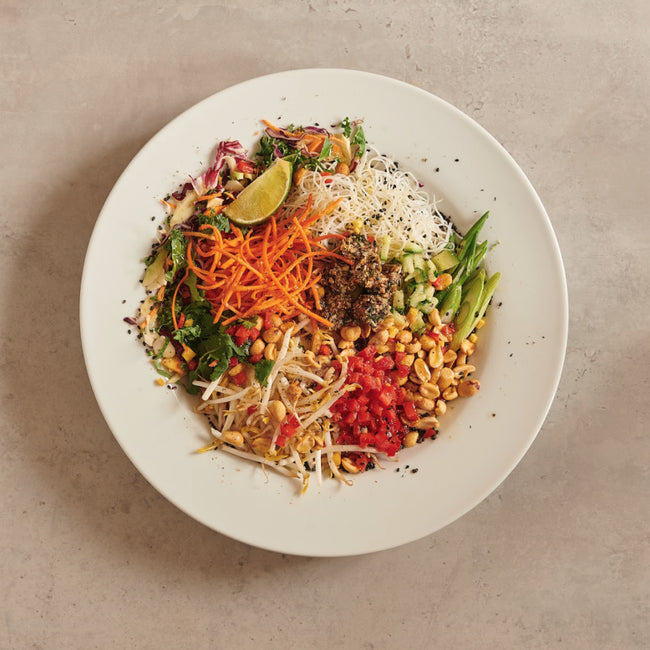
Food : To fill an excess Kapha , it is essential to reduce portions of substantial food. Therefore, it is necessary to favor light dishes, low in fat and calories, preferably served hot. Particular attention must be paid to spices in order to give a pronounced flavor to the food, which further activates the metabolism. Thus, we avoid bland or overly sweet dishes, instead focusing on spicy, bitter and astringent flavors. Greens such as kale, parsley, arugula salad, endives and radicchio will be suitable both for their light and low-calorie aspect and for their bitter flavor which activates the liver and digestion. Beware of fried foods, sauces, vinaigrettes and pastries that contain a lot of fat, prefer leaner dishes and stimulating desserts, based on pure cocoa or ginger, for example.
Medicinal plants: Stimulating and warming plants will be beneficial in preventing and absorbing excesses Kapha . Those that strengthen the heart and lungs, such as motherwort and hyssop respectively, support Kapha at the level of the organs with which it is particularly associated. Ginger and cayenne will act at the throat level, if there is accumulated pain or difficulty in expression and in case of mucus or infection also. Nettle is a good choice of plant to consume daily, being slightly stimulating and drying as well as due to its energizing action for the thyroid gland. At the digestive level, ginger, pepper, mountain grape, rosemary and dandelion will be beneficial and will make good hot herbal teas to drink after meals.
Pitta : the transformation
Let us now explore what characterizes Pitta, the principle of transformation, what the states of being related to this dosha consist of and how we can regain balance when it is disturbed.
Nature and functions of Pitta
Pitta refers to the heat that transforms, to the capacity to transmute things both concrete and subtle. Pitta is associated with the elements of fire and water and the following properties: hot, light, fast, fluid, liquid, and smooth. We will refer to these qualities later in this article.
In the body, Pitta is expressed through metabolism and chemical reactions, which lead to the production of heat and energy. The chemical digestion of food, the production of energy by cells, the effect of hormones and neurotransmitters, all biological processes that depend on chemical reactions refer to Pitta .
Pitta Triggers appetite and thirst, maintains body temperature, suppleness, and skin color, regulates sweating, and generates body odor. The sense of sight is also associated with this dosha.
On the psychological side, Pitta is responsible for desires, ambition, courage, and boldness. Its energy is deployed with focus in one direction, allowing us to achieve our goals, understand and integrate concepts, and develop a long-term vision.
Places of predominance
Although the doshas are all present at various levels of the body, Pitta It predominates in the area including the stomach, liver, pancreas, and small intestine, all around the navel. Its influence is also felt particularly in the heart, blood, lymph, sebaceous glands, and eyes.
The Constitution Pitta
In Ayurveda, it is essential to distinguish our deep nature , which is expressed by our physical constitution and our natural tendencies, of the current state in which we are. There are tests to help us determine our Ayurvedic constitution, our nature, but these cannot incorporate all the subtleties of human judgment. Thus, the help of an experienced therapist is sometimes necessary to differentiate between nature And state .
We discover our state when we pay attention to the sensations that inhabit us and we take inventory of our current symptoms and imbalances, subtle or obvious. Moreover, the recurring symptoms in our life give us a clue as to our natural tendencies, our nature .
Pitta is expressed in our constitution by the following physiological characteristics:
- Average frame
- Good, toned muscles
- Beautiful proportions
- Colored complexion, oily skin
- Medium brown (or red) hair and eyes
- Intense and penetrating gaze
- Strong and passionate voice
Symptoms and Imbalances Pitta
Certain signs betray an imbalance of the principle Pitta , more or less serious or deep, depending on the severity of the symptoms. Remember that the consequences of the imbalance of a dosha appear and disappear together, that they form a "family" of symptoms that tend to occur together. Here is what Pitta generates once unbalanced:
- Irritability, impatience, anger
- Excessive appetite and thirst
- Desire for cold substances
- Burning sensations (stomach, muscles, skin, etc.)
- Strong odors
- Body acidity
- Redder or orange colorations (eyes, skin, stools and urine)
- Various inflammations
- Infections, especially bacterial and fungal
- Severe infectious diarrhea
- Intensity of symptoms
How to rebalance Pitta
Since disturbed doshas manifest as excesses, we seek to apply opposite qualities to regain balance. Pitta , we will thus derive therapeutic approaches from the properties "cold, heavy, slow, solid and dry". Several tips will allow us to concretize these characteristics into practical applications to lifestyle, diet and so on.
Attitude : The person at whose house Pitta is unbalanced will need to calm down, find peace and serenity by applying restraint and moderation to his life. It is essential to cultivate contentment, pleasure and satisfaction in daily life, to accept and make peace with the conditions and limitations of the moment.
Lifestyle habits: Devoting part of your day to leisure and pleasant relationships promotes the joy of living and pleasure that will be lacking during an imbalance. Pitta . A very effective activity for calming Pitta involves walking in nature, visiting green spaces, bodies of water, and rivers. The fresh breeze and moonlight will also contribute to calming. On the other hand, sweet and floral fragrances can also help with this effect.
Food : A low-fat diet, containing more fresh foods and raw vegetables, is beneficial for Pitta . People whose nature is Pitta will usually have a more pronounced appetite and portions should be increased accordingly, without exaggerating. Refreshing flavors such as sweet, bitter and astringent will soothe Pitta . We should aim for these flavors to predominate, while avoiding very hot flavors like hot peppers and overly acidifying foods. In this category we find citrus fruits (except lemon, an exception), mangoes, kiwi, pineapple, tomatoes as well as refined foods such as white sugar, white flours and white vinegar. Vegetables, especially leafy greens like parsley, will help reduce acidity and toxins in the body.
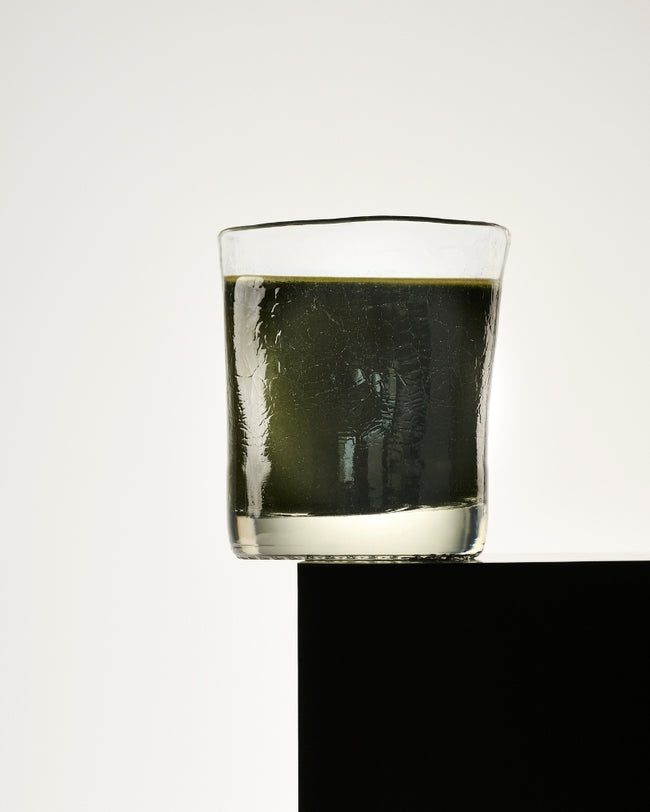
Medicinal plants: We seek to reduce bodily acidity and toxins when Pitta is in excess, particularly by helping the liver and kidneys do their job. For acidity, milk thistle, liquid chlorophyll, guduchi, horsetail, elderflower, dandelion leaf and nettle work very well. Among these plants, the last two are excellent for toning the kidneys. The liver will be supported by plants such as mountain grape, burdock, dandelion root, yarrow, calendula or even the milk thistle, mentioned above. When the skin is affected by Pitta , neem is a plant frequently used in Ayurveda which will work wonders both internally and externally.
Vata : the movement
Let us now explore what characterizes Vata, the principle of movement, what the states of being related to this dosha consist of and how we can regain balance when it is disturbed.
Nature and functions of Vata
Vata is the principle of dynamism, rhythm, vibration, and movement that animates all things. It is attributed the characteristics of wind and space, as well as the following qualities: dry, light, cold, mobile, subtle, and rough. We will return to these aspects a little later.
Vata is expressed in the body, particularly through the movement of nerve impulses, breathing, digestive processes, and locomotion in general. All transmission of information, for example during the replication of DNA and RNA in cells, is linked to Vata .
It ensures the proper functioning of the senses as well as the triggering of natural emergencies: sneezing, yawning, urination, defecation and others. When it is balanced, biological processes are harmonious and their rhythm is appropriate, which is reflected in sleep cycles, hormones or menstruation, for example.
On the other hand, this principle is responsible for enthusiasm, impulses, creativity, and curiosity. It allows us to move in multiple directions and approach reality from different points of view.
Places of predominance
Although the three doshas are present at all levels in the body, Vata is most present in the large intestine (colon) and the nervous system. There is also a marked influence of Vata on the inside of the thighs, waist, feet, ears, as well as on the skin and bones.
The Constitution Vata
In Ayurveda, it is important to distinguish between our true nature, reflected by our physical constitution, and the state we are in. Some questionnaires offer to determine our Ayurvedic constitution, but these tests are limited in scope and cannot match the expertise of a seasoned therapist. It is not always easy to differentiate our true nature from our current state, which can differ depending on the circumstances.
To begin, it is best to focus on our current sensations, the mild or severe symptoms that we experience and that reflect our imbalances (see below). However, certain physiological characteristics reveal our general tendencies to express the qualities and excesses of one or more doshas.
Regarding the Vata constitution, here are the typical physical traits that can be found in a person in whom the Vata principle usually predominates:
- Thin frame
- Thin body or just overweight protruding belly
- Fine, angular features
- Asymmetries: faces, teeth, bones and others
- Dark hair and eyes
- Little lively eyes
- Dry skin
- High-pitched or hoarse voice
Symptoms and Imbalances Vata
We can tell that the Vata principle is in excess when certain signs and symptoms manifest. Some imbalances are superficial and arise from a minor excess, while others are deep-seated and result from prolonged accumulation or significant trauma. It is worth noting that discomforts due to an excess of a dosha tend to appear and disappear in unison, like the threads of a cloth being lifted or lowered. Here is a glimpse of what we might experience when this dosha is out of balance, in excess:
- Nervousness, anxiety, fear
- Lower abdominal swelling, bloating, flatulence
- Severe, chronic, sometimes unpredictable pain
- Dryness of the skin and mucous membranes
- Constipation: bowel movements do not occur every day
- Mild diarrhea, sometimes chronic
- Tremors, involuntary movements
- Disruption of body cycles: sleep, hormones and others
- Disruption of natural emergencies: urination, sneezing, ejaculation and others
- Dark discoloration of dark circles, skin and stools
- Irregularity of symptoms
How to rebalance Vata
The doshas are practically always in excess when disturbed. Consequently, the opposite qualities to those previously mentioned for Vata will help compensate for these excesses: unctuous (fatty and moist), heavy, warm, stable, coarse and soft. The advice given to soothe Vata are concrete applications of these characteristics. A multitude of behaviors and means allow them to be put into practice in order to moderate the consequences of an exacerbated dosha.
Attitude: Someone suffering from a Vata imbalance will benefit from calming down, finding their center and comfort zone. A good way to do this is to focus on your breathing, directing your attention away from the chatter of your mind. Cultivating confidence, taking care of yourself, and staying in tune with your body's limits helps you regain the security that is lacking in cases of excess Vata .
Lifestyle Habits: To soothe Vata , reduce movement and activity, simplify daily life, and maintain a healthy lifestyle to promote security and stability. Avoiding overexertion, constantly stimulating the senses, or overexposure to the elements will allow the body to return to its comfort zone. Going to bed early will have an unsuspected impact on Vata symptoms in general. Similarly, keeping your skin well oiled and avoiding any form of dryness is essential for managing a Vata imbalance.
Diet: Moist, slightly fatty, hearty, and often hot foods are more suitable for Vata . However, it is important not to overeat, even if it means eating more often than average in a day, up to five small meals and snacks per day. In general, foods and meals whose predominant flavors are mild, a little sweet, tangy, and/or salty will calm Vata . A few spices and a little hot flavor, such as pepper or fresh ginger, will help Vata digest well. It is also important to avoid eating too many vegetables from the nightshade family: potatoes, tomatoes, eggplant, green peppers, and raw onions. The secret of an Ayurvedic diet is in moderation and feeling the effects of food according to our ability to metabolize them .
Medicinal plants: Calming plants and nerve tonics such as chamomile, verbena, flowering oats, lemon balm, and catnip are favored for Vata . Indian plants include ashwagandha and shatavari, both of which are recognized as tonics for the adrenal glands and sexual functions, and therefore for vital energy. Carminative plants, meaning those that disperse intestinal gas and promote digestion, are also recommended. The best carminatives are cumin, fennel, and cardamom, but any spice or aromatic plant will also work: basil, thyme, mint, rosemary, caraway seeds, celery seeds, and so on.
To learn more about the author of this article, Jonathan Léger Raymond, Accredited Herbalist and Ayurvedic Therapist , and about Ayurveda, you can visit ayurvedarevolution.com















Leave a comment